


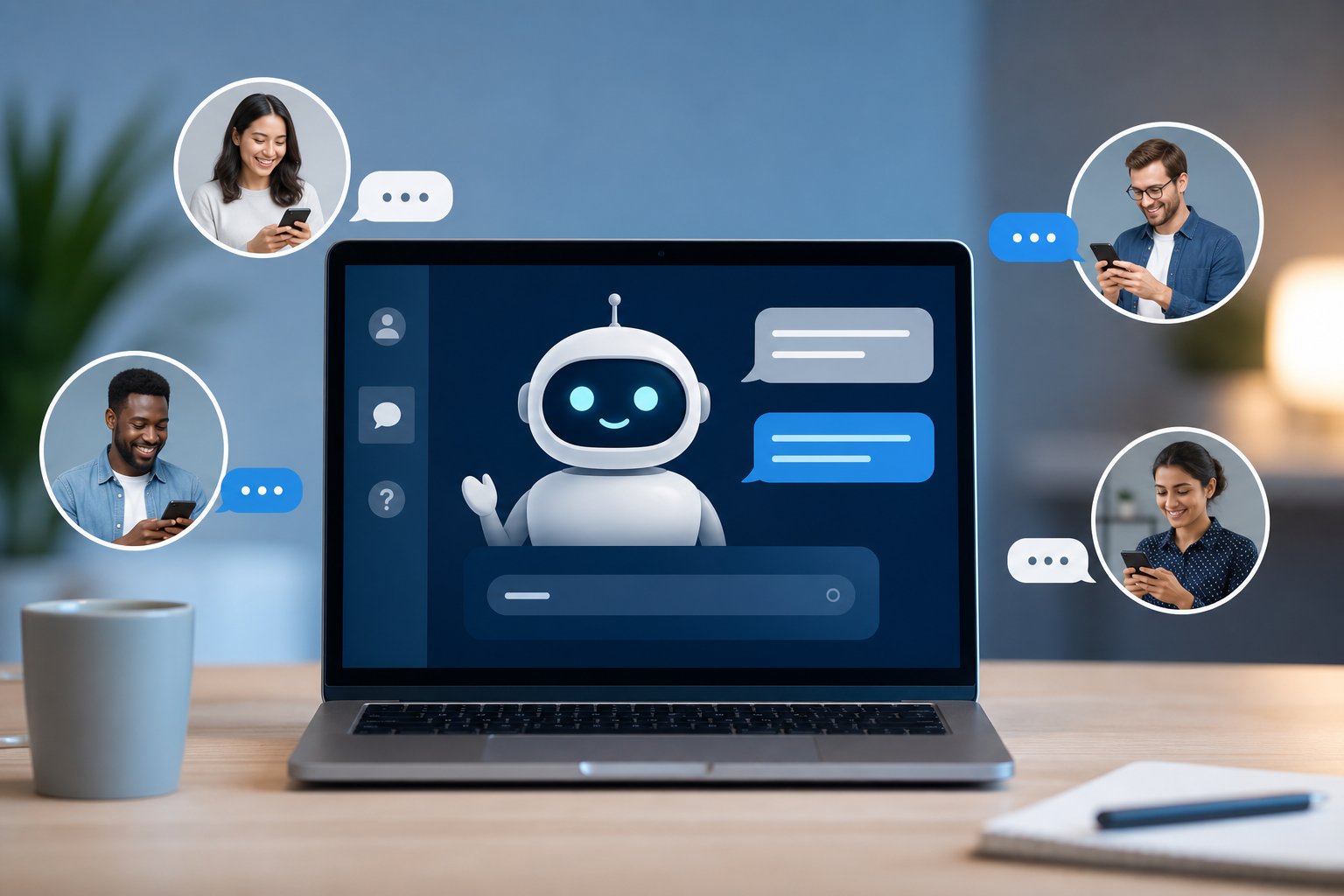
What is an AI Chatbot?
An AI chatbot is a software application designed to simulate human conversation through text or voice interactions. Utilizing artificial intelligence (AI) and natural language processing (NLP), these chatbots can understand user queries and provide relevant responses. They can be integrated into various platforms, including websites, messaging apps, and customer service portals, allowing businesses to engage with customers in real-time.
How AI Chatbots Work
The functionality of AI chatbots relies on several key technologies. At the core, natural language processing enables the chatbot to interpret and understand human language. This involves breaking down user input into manageable components, analyzing the intent behind the words, and determining the appropriate response. Machine learning algorithms further enhance this process by allowing chatbots to learn from past interactions, improving their accuracy and relevance over time.
AI chatbots can be categorized into two main types: rule-based and AI-driven. Rule-based chatbots follow predefined scripts and respond to specific commands, while AI-driven chatbots leverage machine learning to understand context and provide more dynamic responses. This adaptability makes AI-driven chatbots particularly effective in handling complex queries.
Benefits of Using AI Chatbots
Implementing AI chatbots can yield numerous advantages for businesses. One of the primary benefits is enhanced customer service. Chatbots can provide instant responses to customer inquiries, reducing wait times and improving overall satisfaction. Additionally, they can operate 24/7, ensuring that customers receive assistance at any time, which is particularly valuable for businesses with a global customer base.
Cost savings is another significant benefit. By automating routine tasks and inquiries, businesses can reduce the need for extensive customer support teams, allowing human agents to focus on more complex issues. Furthermore, chatbots can handle multiple interactions simultaneously, increasing efficiency and productivity.
Data collection and analysis is also a key advantage. AI chatbots can gather valuable insights from customer interactions, helping businesses understand customer preferences, pain points, and trends. This information can inform marketing strategies and product development, leading to more targeted and effective business decisions.
Common Use Cases for AI Chatbots
AI chatbots can be utilized in various scenarios across different industries. In e-commerce, they can assist customers with product recommendations, order tracking, and returns processing. In the healthcare sector, chatbots can provide appointment scheduling, symptom checking, and patient follow-up reminders.
Another common use case is in the hospitality industry, where chatbots can handle booking inquiries, provide local information, and assist with customer service requests. Additionally, many businesses use chatbots for lead generation and qualification, engaging potential customers and guiding them through the sales funnel.
Signs Your Business Needs an AI Chatbot
Several indicators suggest that a business could benefit from implementing an AI chatbot. High volumes of customer inquiries, particularly during peak times, can overwhelm support teams and lead to longer response times. If customers frequently ask the same questions, a chatbot can provide immediate answers, freeing up human agents for more complex issues.
Additionally, businesses looking to improve customer engagement and satisfaction may find chatbots beneficial. If a company aims to provide 24/7 support or enhance its online presence, integrating a chatbot can be a strategic move. Finally, if a business is collecting data but not effectively utilizing it, chatbots can help streamline data collection and analysis processes.
Considerations for Implementing AI Chatbots
Before deploying an AI chatbot, several factors should be considered. First, it is essential to define the primary objectives for the chatbot. Understanding what tasks the chatbot will handle and the desired outcomes will guide the implementation process.
Next, businesses should evaluate the technology and platforms that best suit their needs. This includes considering whether to use a rule-based or AI-driven chatbot, as well as the integration capabilities with existing systems. User experience is also crucial; the chatbot should be designed to provide a seamless and intuitive interaction for users.
Finally, ongoing maintenance and updates are necessary to ensure the chatbot remains effective. Regularly reviewing interactions and making adjustments based on user feedback can help improve performance and user satisfaction.
Questions to Ask When Choosing an AI Chatbot Provider
When selecting a provider for AI chatbot solutions, several important questions should be asked. First, inquire about the technology used in the chatbot. Understanding whether it is rule-based or AI-driven can help determine its capabilities.
Next, ask about integration options with existing systems and platforms. A chatbot that can seamlessly connect with current software will enhance its effectiveness. Additionally, inquire about customization options to ensure the chatbot aligns with the brand’s voice and objectives.
Finally, consider the level of support and maintenance offered by the provider. Ongoing assistance is crucial for optimizing the chatbot’s performance and addressing any issues that may arise.
AI Chatbot Maintenance and Optimization
Maintaining and optimizing AI chatbots is vital for ensuring their continued effectiveness. Regular monitoring of interactions can help identify areas for improvement, such as common user frustrations or frequently asked questions that may not be adequately addressed.
Additionally, updating the chatbot’s knowledge base with new information and responses is essential. As businesses evolve, so do customer needs and expectations. Keeping the chatbot current will enhance user satisfaction and engagement.
Finally, analyzing data collected from chatbot interactions can provide valuable insights into customer behavior and preferences. This information can inform future marketing strategies and product development efforts.
Business Section: SGX Web and AI Chatbots
For businesses looking to establish a strong online presence, SGX Web also provides Domain Name Registration and Web Hosting services, ensuring that all technical aspects are covered. Furthermore, their Virtual Assistant Services can assist in managing customer interactions effectively.
Conclusion
AI chatbots represent a significant advancement in customer service and engagement. By understanding what AI chatbots are, how they work, and the benefits they offer, businesses can make informed decisions about their implementation. Recognizing the signs that a business could benefit from a chatbot, considering key factors before deployment, and asking the right questions when selecting a provider are essential steps in this process. With proper maintenance and optimization, AI chatbots can enhance customer interactions and drive business success.
For businesses interested in exploring AI chatbots further, consider consulting with experts in web design and development to ensure a successful implementation.